
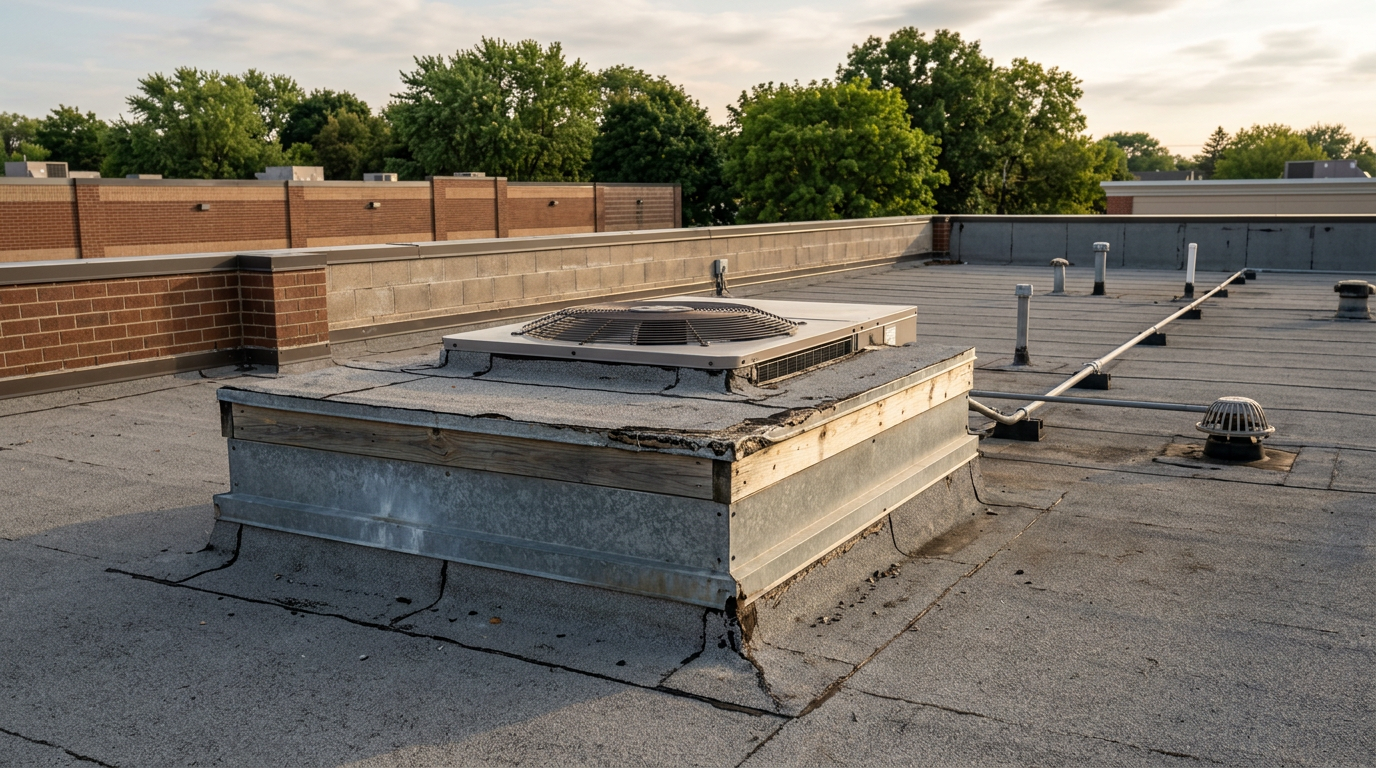

If you own a building with a flat roof in the Greater Toronto Area—whether it’s a commercial unit in Mississauga or a modern home in Etobicoke—the HVAC curb is the most common place for a leak to start. During these hot Toronto summer months, your air conditioning unit is working overtime. While you’re feeling the cool air inside, the heat, vibration, and UV exposure on the roof are putting immense stress on the flashing that seals that heavy unit to your structure.
At Rip It Roof It, we often see homeowners and property managers mistake a curb leak for a plumbing issue or a general roofing failure. In reality, HVAC curb flashing is a specific intersection of mechanical work and roofing. If they aren’t talking to each other, you’re the one who ends up with a bucket under the ceiling tiles.
What is an HVAC Curb and Why Does it Leak?
An HVAC curb is essentially a raised metal frame that sits on the roof deck. It acts as a pedestal for the heavy rooftop unit (RTU). The flashing is the material—typically 2-ply modified bitumen, TPO, or EPDM—that bridges the gap between the flat roof surface and the side of that metal frame.
In the middle of a GTA summer, the temperature on a dark flat roof can easily exceed 70°C. This causes the metal curb to expand. Meanwhile, the AC unit is vibrating as the compressor kicks in. This constant physical movement, combined with intense UV radiation that dries out caulking, creates small fissures at the corners of the flashing. When a summer thunderstorm hits, water finds those cracks instantly.
The "Summer Rain" Effect
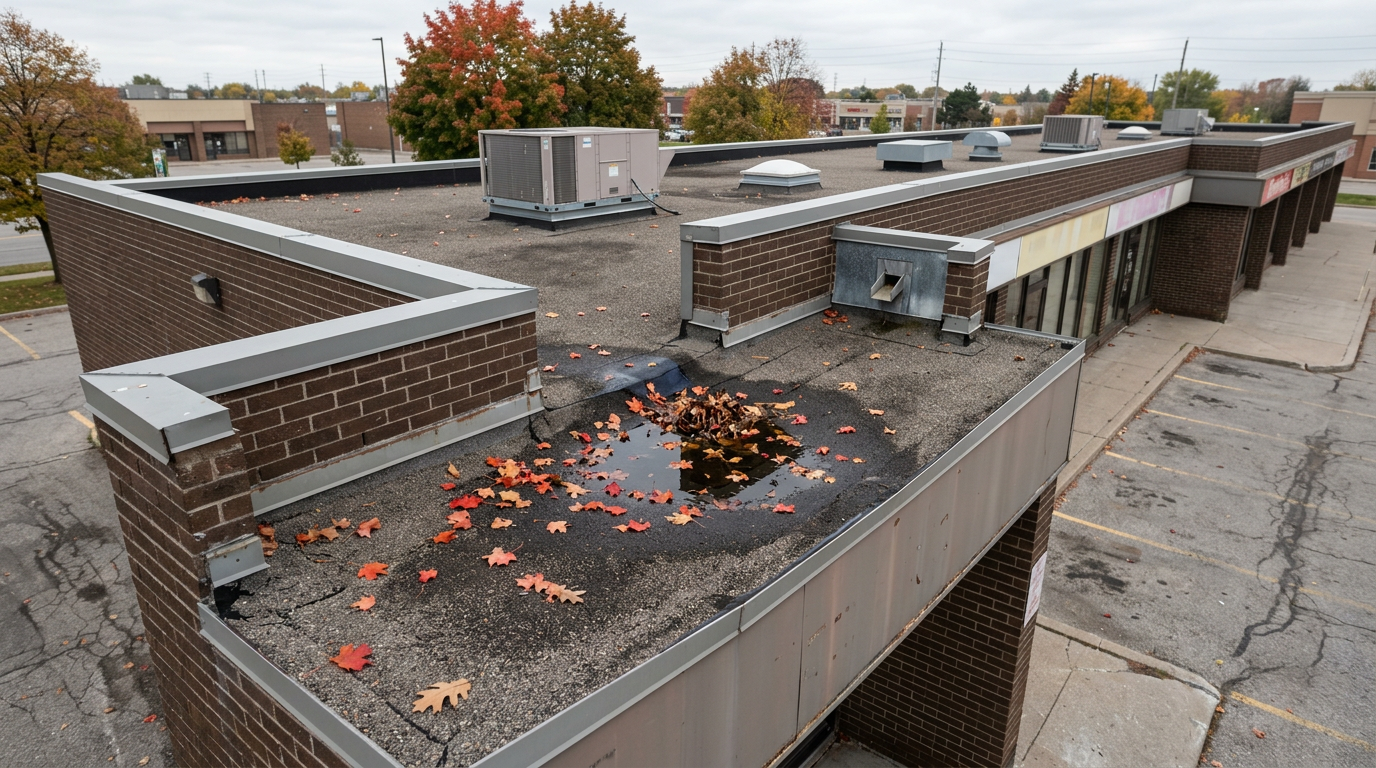
In Toronto, we get those sudden, heavy downpours in July and August. Because flat roofs are designed to shed water slowly toward drains, a heavy rain can result in "ponding" or temporary standing water. If your HVAC curb flashing is even slightly compromised, that water doesn't need a hole—it just needs a capillary path to get pulled under the membrane.
"Most contractors just slap a layer of silver mastic or caulking over a curb leak. That’s a three-month fix. To actually stop a curb leak, you have to strip the flashing back to the metal and re-integrate it with the roof membrane. Anything else is just stalling."
The Anatomy of a Professional HVAC Curb Flashing Repair
When you contact us, we don't just send a guy with a ladder and a bucket of tar. We target a 47-minute response time for inquiries because we know that a leak during a summer storm can shut down a business or ruin an interior renovation. Our process focuses on the "Why" before the "How."
A proper repair involves a 23-point inspection of the surrounding area. We aren't just looking at the leak; we’re looking at the roof deck, the insulation, the counter-flashing on the unit, and the drainage path. Here is how we actually solve the problem:
- Debris Removal: Summer storms often blow leaves and dirt against the curb, which traps moisture. We clear the area to see the actual state of the membrane.
- Mechanical Check: We ensure the RTU isn't vibrating excessively, which can tear new flashing.
- Stripping Back: We remove the old, cracked sealant and failed membrane layers down to the original curb flange.
- Targeted Re-flashing: Depending on your roof type (likely SBS Modified Bitumen in older GTA buildings or TPO in newer ones), we heat-weld or chemically bond new reinforced flashing.
- Termination Bars: We don't just rely on glue. We use mechanical termination bars to ensure the flashing stays tight against the curb during winter freeze-thaw cycles.
Not sure if your roof needs repair or replacement? We offer free estimates across the GTA.
Repair vs. Replacement: The Decision Framework
One of the most common questions we get at Rip It Roof It is: "Can I just patch this, or is the whole roof toast?" In 2026, with material costs stabilizing but labor still at a premium, making the right choice is critical for your budget.
When to Repair
- The rest of the roof membrane is supple and not cracking.
- The leak is localized to one specific curb.
- The roof is less than 12-15 years old.
- Budget is a primary concern for the current fiscal year.
When to Replace
- The membrane is "alligatoring" (brittle and cracked everywhere).
- There are multiple leaks across different sections.
- The insulation beneath the membrane is saturated (spongy to walk on).
- The roof is over 20 years old and out of warranty.
2026 GTA Pricing: What to Expect
Transparency is rare in roofing, but it shouldn't be. For a professional HVAC curb flashing repair in the GTA, prices typically range from $800 to $2,500 per unit. Why such a wide range? It depends on the size of the curb, the type of membrane (TPO is often more expensive to repair than modified bitumen due to the specialized welding equipment needed), and whether we need to coordinate with an HVAC technician to lift the unit.
If you are looking at a full flat roof replacement for a standard 1,200 sq ft commercial footprint or a residential garage/extension, you should budget between $9,500 and $16,000. This includes the removal of old layers, new ISO board insulation, and a high-quality 2-ply system. We provide these ranges so you can spot "too good to be true" quotes that usually involve skipping the very flashing details we're discussing here.
"A cheap quote usually saves money by 'overlaying'—putting new stuff over the old, rotten stuff. In the GTA heat, that trapped moisture will boil, create blisters, and ruin your new roof in two summers."
Why Homeowners in Cities Like Markham and Vaughan Trust Us
We’ve built our reputation on being direct. We are trusted by 126+ GTA homeowners with a 5.0★ Google rating because we treat your roof like a technical challenge, not a sales opportunity. Whether you're dealing with a leak in a century-old building in downtown Toronto or a newer commercial plaza in Vaughan, the physics of water remain the same.
Avoiding the Wrong Contractor
In the summer, many "fly-by-night" crews pop up. They see a leak and offer to "tar it" for $400 cash. Avoid this. If they don't ask about the type of membrane you have or check the moisture levels in your insulation, they aren't fixing the problem—they're hiding it. Ask for their WSIB clearance and their specific experience with flat roof penetrations.
Not sure if your roof needs repair or replacement? We offer free estimates across the GTA.
Conclusion
HVAC curb leaks are a nuisance, but they aren't a mystery. They are the result of the extreme Toronto climate meeting a high-stress point on your roof. By understanding the "why" behind the leak, you can make an informed decision that protects your property without overspending on unnecessary replacements.
If you suspect your HVAC curb is failing, or if you’ve seen water spots appearing near your vents after a summer storm, let’s get a real look at it. We offer a 23-point inspection that covers everything from the deck to the drainage. No pressure, just a straight answer on what’s happening up there.
You can reach Rip It Roof It at (647) 558-7310 to speak with a specialist, or book an inspection online. We’ll provide a clear, transparent breakdown of your options so you can get back to enjoying your summer.


Our Roofing Services
⭐ WHAT GTA HOMEOWNERS SAY
Real Reviews From Real Roofs
"Booked a quote on Tuesday, roof done by Friday. Crew was clean, fast, and respectful. Best decision we made all year."
SARAH M. • SCARBOROUGH
"They were the only company that actually got on the roof to inspect. Honest pricing — no surprise fees at the end."
DANIEL K. • MISSISSAUGA
"We went with the designer shingles they recommended. Five years later — zero leaks and the roof still looks brand new. Worth every penny."
PRIYA S. • NORTH YORK
📖 KEEP READING
More From The Blog

Flat Roof Roofs: The Complete Toronto Homeowner Guide (2026)
A comprehensive guide to flat roofing in the GTA for 2026. Learn about real pricing ranges, material differences, and the critical fall maintenance steps every Toronto homeowner should take before the first freeze.

Cost To Redo Roof: 2026 Toronto Pricing Breakdown
Curious about the actual cost to redo your roof in Toronto this year? We break down the $8,500–$14,500 price range, explain how fall weather impacts your installation, and reveal what low-ball quotes are usually hiding.

Early Signs of a Roof Leak in Toronto Homes
Don't wait for a ceiling stain to realize your roof is failing. Learn how to spot the subtle signs of Toronto roof leaks this fall, from attic condensation to gutter granules, and understand the real costs of repair versus replacement.

Metal Roofing Near Me: How to Pick the Right GTA Contractor
Is a metal roof worth the investment for your GTA home this fall? We break down real 2026 pricing, the pros and cons of standing seam vs. exposed fasteners, and how to prepare your roof before the first Toronto freeze.

Roof Repair Toronto: When to Repair vs Replace in the GTA
Is your GTA roof ready for the winter freeze? Learn how to distinguish between a simple fall repair and a necessary replacement, including real 2026 pricing and local advice for Toronto homeowners.

Tenant Improvement Roof Patches Across the GTA
Adding new vents or HVAC units to a commercial roof? Discover why simple patches often fail during GTA winters and what a professional tenant improvement integration should actually cost in 2026.

Sealing Roof Penetrations on Toronto Commercial Buildings
Don't let Toronto's freeze-thaw cycle ruin your commercial roof. Learn why HVAC and vent seals fail in the fall and get a transparent breakdown of 2026 repair costs before the first snow hits.

Membrane Roofs For Flat Roofs: What GTA Homeowners Need to Know in 2026
Fall in the GTA is the ultimate test for flat roofs. Before the freeze-thaw cycle begins, learn the real costs and material differences between TPO and EPDM membrane systems for your home.

Roofing Toronto: What GTA Homeowners Need to Know in 2026
Is your roof ready for a Toronto winter? From real 2026 pricing breakdowns to the truth about attic ventilation, here is what GTA homeowners need to know before hiring a contractor this fall.

Photovoltaic Panels Canada: The Complete Toronto Homeowner Guide (2026)
Thinking about solar panels for your Toronto home this fall? We break down the real 2026 costs, structural requirements, and why your roof's health is the most important factor in your ROI.

Landlord Roof Maintenance Checklist for GTA Commercial Properties
Fall is the most critical time for GTA commercial landlords to inspect their roofing systems. From clogged scuppers in Etobicoke to HVAC seal failures in Vaughan, here is exactly what to look for before the first freeze-thaw cycle hits.

Commercial Roof Replacement Toronto: Costs, Timeline, and RFP Process
Is your commercial roof ready for a Toronto winter? Discover the real costs of replacement in 2026, the difference between TPO and EPDM, and how to navigate the RFP process before the first major freeze hits the GTA.

Roofing And Repair: When to Repair vs Replace in the GTA
Is your roof ready for a GTA winter? We break down the real 2026 costs of roofing and repair, helping you decide if you need a simple patch or a full replacement before the snow flies.

Leaky Roof Repairs: When to Repair vs Replace in the GTA
Is your GTA roof leaking this fall? Learn the real 2026 costs for repairs versus replacement, how the Toronto climate affects your shingles, and how to use our 23-point inspection framework to make the right decision for your home.

Metal Roofing Contractors Near Me: How to Pick the Right GTA Contractor
Wondering if a metal roof is worth the investment before a GTA winter hits? We break down real 2026 pricing, installation pitfalls, and how to choose a contractor who understands Toronto's unique climate.

Restaurant Roof Repairs in the GTA: Grease, Vents, and Leaks
Is your restaurant roof ready for the Toronto winter? From grease-damaged membranes to clogged drains, we break down the unique challenges of food-service roofing and provide honest 2026 pricing for common repairs.

Roofers In Toronto Area: The Complete Toronto Homeowner Guide (2026)
Wondering if your roof can survive another Toronto winter? We break down real 2026 pricing, the repair-vs-replace math, and why the current fall weather is the most critical time for a 23-point inspection.

Clogged Roof Drains and Scupper Repair Across the GTA
Clogged roof drains and scuppers are the leading cause of flat roof failure during a GTA fall. Discover the real costs of repair and why the freeze-thaw cycle makes waiting until spring a massive financial risk.

Toronto Roof Replacement Permits: When You Need One in 2026
Do you actually need a permit to replace your roof in Toronto this year? We break down the 2026 municipal rules, real GTA pricing ranges, and the structural red flags that require city hall's involvement.

How to Read a Toronto Roof Replacement Quote (Line by Line)
Confused by wildly different roofing estimates? We break down a professional Toronto roof replacement quote line-by-line, including real 2026 pricing and the essential items your contractor might be skipping before winter.

Steel Roof Panels: What GTA Homeowners Need to Know in 2026
Considering steel roof panels for your GTA home? We break down the real 2026 costs, winter performance, and why the 'hidden' details like ventilation matter more than the metal itself.

Price To Replace Roof: 2026 Toronto Pricing Breakdown
Wondering about the real price to replace roof systems in Toronto this year? We break down the $8,500 to $14,500 range, explaining how pitch, ventilation, and material choices impact your bottom line in 2026.

Full Roof Replacement Cost Toronto 2026: Detailed Pricing Tiers
Wondering what a full roof replacement really costs in Toronto this year? We break down the 2026 pricing tiers, hidden labor costs, and why the current summer heat is the ultimate test for your shingles.

Shingles From Roof: The Complete Toronto Homeowner Guide (2026)
Seeing shingles on your lawn after a Toronto summer storm? This guide breaks down real 2026 replacement costs, how to spot high-nailing errors, and why your attic temperature is the secret to a long-lasting roof.

Roofing Shingles Prices: 2026 Toronto Pricing Breakdown
Wondering why roofing quotes in Toronto vary so much? We break down the real 2026 prices for shingles, labor, and the hidden components that actually keep your home dry during summer storms.

Roof Installation Near Me: How to Pick the Right GTA Contractor
A transparent look at roof installation in the GTA. Learn the real 2026 pricing, how summer heat affects your shingles, and what a 23-point inspection actually uncovers.

TPO vs EPDM vs Modified Bitumen: Which Flat Roof System for Toronto?
Choosing the wrong flat roof material in Toronto can lead to massive energy bills and premature leaks. We break down the real costs and performance of TPO, EPDM, and Modified Bitumen for the 2026 season.

Roof Replacement Cost: 2026 Toronto Pricing Breakdown
Wondering what a roof replacement actually costs in the GTA for 2026? We break down the real numbers, from material choices to hidden labor costs, to help you avoid the 'cheap quote' trap.

Tar Gravel Roof: The Complete Toronto Homeowner Guide (2026)
Thinking about a tar and gravel roof for your Toronto home? This 2026 guide breaks down real GTA pricing, summer maintenance tips, and the honest pros and cons of built-up roofing systems.

Retail Storefront Roof Repairs in Toronto Without Closing the Store
Don't let a leaky roof disrupt your business. Discover how we perform retail roof repairs in the GTA without closing your doors, including real 2026 pricing and summer maintenance tips.

Shingle Prices: 2026 Toronto Pricing Breakdown
Wondering why roofing quotes in the GTA vary by thousands? We break down the real 2026 shingle prices, labor costs, and the 'summer heat' factors that determine your final investment.

Flat Roof Cost in Toronto: TPO vs EPDM vs Modified Bitumen Pricing
Wondering what a flat roof replacement actually costs in the GTA this year? We break down the 2026 pricing for TPO, EPDM, and Modified Bitumen while explaining how the Toronto summer heat impacts your choice.

Roof Hatch Replacement in Toronto: Code-Compliant and Watertight
A commercial roof hatch is more than just an entry point—it's a critical safety and weather-seal component. With Toronto's summer storms and high heat, learn when to repair or replace your hatch to avoid costly structural damage.

How Long Does a Roof Replacement Take in Toronto? (Day-by-Day)
Wondering how many days you'll have a crew on your roof? We break down the day-by-day process for GTA homes, including 2026 pricing and how hot Toronto summers impact your install.

Asphalt Shingle Roof Replacement in Toronto: Best Options for 2026
Looking for the truth about asphalt shingle replacement in Toronto for 2026? We break down real GTA pricing, the repair vs. replace dilemma, and how summer heat affects your roof's lifespan.

Property Manager's Guide to Fast Roof Repairs in Toronto
Toronto property managers can't afford roof delays. From summer heat to flash storms, learn how to protect your GTA portfolio and why Rip It Roof It is the #1 choice for fast, reliable repairs.

Metal Roof Replacement in Toronto: Cost, Lifespan + ROI Guide
Tired of Toronto summers baking your shingles? Discover the real 2026 costs of metal roofing in the GTA and why homeowners in Mississauga to Oshawa are switching to permanent steel protection.

Metal Roof: The Complete Toronto Homeowner Guide (2026)
Looking for the real cost of a metal roof in the GTA for 2026? We break down pricing from Scarborough to Oakville, reveal why Toronto summers destroy shingles, and show you how to find a 5.0-star contractor.

When to Replace Your Roof in Toronto: 7 Warning Signs Homeowners Miss
Don't wait for a ceiling collapse. Learn why 35°C Toronto summers are the most dangerous time for your roof and the 7 specific signs homeowners in the GTA miss until it's too late.

Shingle Repair On Roof: When to Repair vs Replace in the GTA
Is your roof surviving the GTA summer heat? Learn when you can settle for a simple shingle repair and when it's time for a full replacement. Get real 2026 pricing for Toronto homeowners and avoid the common scams.

Roof Replacement Near Me: How to Pick the Right GTA Contractor
Looking for the best roof replacement near you in the GTA? Discover real 2026 pricing, how to avoid summer roofing scams, and why attic ventilation is your roof's best friend in the Toronto heat.

Flat Roof Replacement Toronto: 2026 Cost Breakdown by System
Looking for the real cost of a flat roof replacement in Toronto? From TPO to 2-ply systems, see the 2026 price breakdown and learn why the current summer heat makes this the critical window for your GTA property.

Leasehold Roof Repairs in Toronto: Who Pays and What's Covered
Is the tenant or landlord responsible for roof repairs in a GTA commercial lease? Discover real 2026 pricing and how to handle emergency leaks in Etobicoke, North York, and Mississauga.

New Roof Installation in Toronto: Timeline, Permits + What to Expect
Looking for the real cost of a new roof in the GTA this summer? We break down 2026 pricing, Toronto permit requirements, and how to avoid the scams common in the peak roofing season.

How Much Does a Roof Replacement Cost in Toronto? (Full Breakdown)
Stop guessing what your new roof will cost. We break down 2026 market rates for Toronto and the GTA, from shingle prices to labor costs in your specific neighborhood.

Roofing Shingles Near Me: How to Pick the Right GTA Contractor
Looking for the best roofing shingles near me in the GTA? Don't settle for 'budget' roofers. See real 2026 pricing and how we handle Toronto's extreme summer heat.

Roof Replacement vs Repair in Toronto: When Patching Wastes Money
Is your Toronto roof actually fixable, or is a 2026 summer heatwave about to turn a small leak into a $15,000 disaster? Get the brutal honesty on GTA roofing costs and avoid the 'repair trap' today.

Tenant Fit-Out Roof Repairs: What Landlords and Tenants Should Know
Don't let a tenant fit-out ruin your roof. From HVAC flashing to structural mods, learn the costs and liabilities for GTA commercial roofing in 2026.

Eavestrough Replacement: 2026 Toronto Homeowner's Guide
Don't let a summer downpour flood your GTA home. Discover real 2026 pricing for seamless eavestrough replacement and why your current gutters are failing in the Toronto heat.

Cost Of Changing Roof: 2026 Toronto Pricing Breakdown
Toronto roof replacement planning costs for 2026: $8,500–$14,500 for the detached-home asphalt scenario, plus material rates, decking allowances and a written-quote checklist.

Attic Insulation: The Complete Toronto Homeowner Guide (2026)
Is your Toronto home losing heat? Learn why R-60 attic insulation is the most critical spring upgrade for GTA homeowners to prevent mold and slash energy bills by 30%.

Roofing And Roof Repairs: When to Repair vs Replace in the GTA
Is your roof ready for the spring rains? Learn the real costs of roofing and roof repairs in the GTA and discover if you need a quick fix or a full replacement before the storm season hits.

Roof Change Price: 2026 Toronto Pricing Breakdown
Wondering about the roof change price for your GTA home this spring? We break down 2026 costs, material impact, and why waiting until summer could cost you thousands.

Parapet Wall Repair on Toronto Flat Roofs: Stopping the #1 Leak Source
Is your flat roof leaking after the spring thaw? The culprit is likely your parapet wall. Learn why these walls fail in Toronto and how to fix them for good.

Gutter Washing Near Me: How to Pick the Right GTA Contractor
Don't let spring rains ruin your foundation. Find out how to choose the right professional for gutter washing in the GTA and why a cheap service could cost you thousands in the long run.

Siding Contractors Near Me: How to Pick the Right GTA Contractor
Looking for reliable siding contractors near you? Don't settle for 'handymen' during the spring thaw. Discover the real costs of siding in the GTA and why Rip It Roof It is the 5.0-star choice for homeowners in Toronto, Etobicoke, and beyond.

Metal Roofing Sheets: The Complete Toronto Homeowner Guide (2026)
Tired of replacing shingles every 15 years? Discover why metal roofing sheets are the ultimate choice for Toronto homeowners this spring. Get real 2026 pricing and expert advice for your GTA home.

Eavestrough Replacement Cost: 2026 Toronto Pricing Breakdown
Real 2026 Toronto eavestrough replacement pricing: cost per linear foot, cost by home size, material tiers, and the add-ons that change your final quote.

Rooftop Unit (RTU) Replacement in Toronto: What Property Managers Need to Know
Don't wait for a summer heatwave to replace your failing rooftop unit. Discover why spring is the best time for RTU replacement in the GTA and get local pricing for 2024.

Siding Companies Near Me: How to Pick the Right GTA Contractor
Don't let spring rain ruin your home. Learn how to choose the best siding companies in the GTA and get real pricing for 2024 siding replacements.

Roofing Company Near Me: How to Pick the Right GTA Contractor
Don't let spring rains turn winter damage into a disaster. Learn how to choose the right GTA roofing contractor and see real pricing for Toronto homes.

Gutter Cleaning Service: What GTA Homeowners Need to Know in 2026
Don't let spring rain ruin your foundation. Discover the 2026 professional standards for gutter cleaning in the GTA and why a simple cleaning can save you $15,000 in repairs.

Gutter Cleaning Near Me: How to Pick the Right GTA Contractor
Don't ignore the winter debris clogging your gutters. Learn how to hire a pro in the GTA this spring and avoid costly foundation damage from the coming rains.

Roof Replacement: 2026 Toronto Homeowner's Guide
Is your roof ready for the Toronto spring storm season? Discover the real cost of roof replacement in the GTA for 2026 and how to avoid common contractor scams.

Soffit And Fascia: The Complete Toronto Homeowner Guide (2026)
Is your roof's trim rotting after the Toronto winter? Discover the real costs of soffit and fascia replacement in the GTA and why spring is the critical season for an upgrade.

Flat Roof Repair: When to Repair vs Replace in the GTA
Is your GTA flat roof ready for the spring rain? Learn when to repair vs. replace your roof and avoid costly water damage with Rip It Roof It's expert guide.

Eavestrough Cleaning: The Complete Toronto Homeowner Guide (2026)
Is your GTA home ready for spring storms? Discover why professional eavestrough cleaning is your best defense against foundation damage and rot this season.

Cleaning Moss Off Roof: The Complete Toronto Homeowner Guide (2026)
Spring rain is making your roof moss bloom—and it's rotting your shingles. Discover why GTA homeowners shouldn't wait for summer to clean their roofs and how to save $10,000 in repairs.

Moss Removal Near Me: How to Pick the Right GTA Contractor
Is your GTA roof looking green after the winter thaw? Discover why professional moss removal is critical this spring and how to avoid the 'cheap' contractors who will destroy your shingles. Get transparent pricing and save your roof today.

Roof Moss Removal Toronto: Safe Cleaning Without Damaging Shingles
Don't let moss eat your shingles. Learn the safe way to remove moss from your GTA roof without damaging shingles, and see real 2024 pricing for Toronto homeowners.

How to File a Roof Insurance Claim in Ontario (Step-by-Step)
Filing a roof insurance claim in Ontario? Get the exact 5-step process, a printable claim checklist, and a realistic timeline — from a GTA roofing crew that works with adjusters every week.

Best Roofing Companies in Toronto: What to Look For in 2026
Don't hire a Toronto roofer until you read this. We break down the real 2026 GTA pricing ($8,500–$14,000), common scams to avoid, and the 23-point inspection that saves you thousands in repairs.

Roof Repair vs Replacement: How to Know When It's Time
Is your roof a simple fix or a total loss? Learn the 23-point inspection secrets, real GTA pricing ($8k-$14k), and how to avoid common roofing scams in Toronto.

Metal Roof vs Shingles Toronto: Which Lasts Longer and Costs Less?
Wondering if a metal roof is worth the investment in the GTA? We break down the real costs, longevity, and performance of metal vs shingles so you can hire with confidence.

Scarborough Roof Replacement: Local Pricing and Top Contractors
Wondering what a new roof in Scarborough actually costs in 2024? We break down the real numbers, the common scams to avoid, and why our 23-point inspection is the gold standard for GTA homeowners.

Roof Replacement Cost in Toronto: Real 2026 Pricing Breakdown
Wondering how much a new roof costs in the GTA in 2026? We break down the $8,500–$14,000 average, reveal hidden costs in neighborhoods like Etobicoke and Scarborough, and show you how to avoid the $5,000 roofing scam.

TPO Flat Roofing Toronto: Commercial and Residential Pricing
Wondering what a TPO flat roof actually costs in the GTA? We break down the $8,500–$14,000 residential average and commercial sq ft rates so you can hire with confidence.
Ready to Get Your Free Roof Quote?
Join 126+ GTA homeowners who trust Rip It Roof It. No pressure, no obligation — just honest pricing and quality work.